
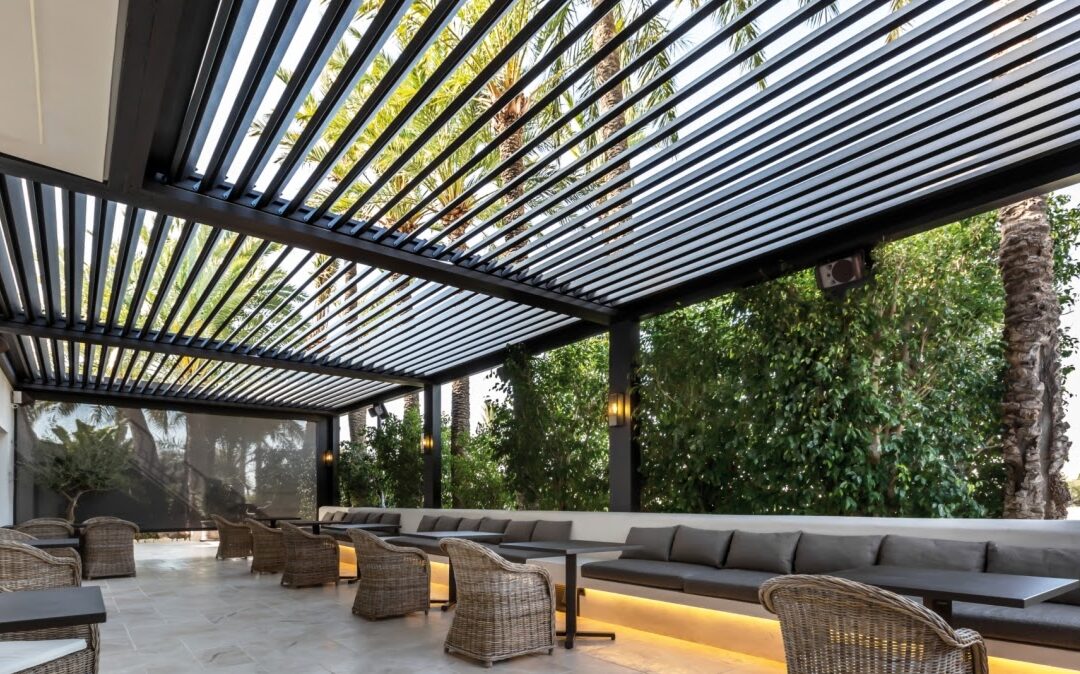
Buying a new Pergola, what you need to know
Things to know when looking for a pergola?
What You Need to Know Before Buying a Pergola
Before you invest in a pergola, it’s crucial to think through a few key factors. You’ll want to assess your available space, select the right materials, and consider your design preferences. Budgeting is also essential, as costs can vary significantly based on your choices and whether you opt for DIY or professional installation. Each decision can impact not just the look of your outdoor space, but also its functionality and longevity. So, what should you prioritize first to ensure you get the most out of your investment?
Types of Pergola Materials
When it comes to choosing the right pergola, understanding the various materials available can make all the difference.
Wood, vinyl, and metal are popular choices, each offering unique benefits. If you love a natural look, wood’s warmth and charm might catch your eye. Cedar and redwood are durable options, though they’ll need regular maintenance to prevent rot and weathering.
On the other hand, vinyl provides a low-maintenance solution with a clean appearance, resisting fading and warping. Metal, such as aluminum or steel, boasts strength and modern appeal, often requiring minimal upkeep.
Consider your climate, maintenance preferences, and aesthetic goals when selecting the material that best suits your outdoor space. Making the right choice can enhance your enjoyment for years to come.
Design Styles to Consider
Choosing the right material for your pergola sets the foundation, but the design style you select can truly define its impact on your outdoor space.
You might opt for a classic style, characterized by clean lines and symmetry, which adds elegance. If you prefer a more rustic feel, a farmhouse design with natural wood and open beams could be perfect.
For a modern touch, consider sleek lines and minimalist structures. Alternatively, a Mediterranean style, with decorative elements and curved arches, can bring warmth to your garden.
Think about how each style complements your home’s architecture and your personal taste. Ultimately, the right design will enhance your outdoor experience, making it a cozy retreat or a vibrant entertainment area.
Assessing Your Space Requirements
Assessing your space requirements is crucial before purchasing a pergola. Start by measuring your outdoor area to determine how much space you have available.
Consider the layout of your yard, including existing structures, trees, and landscaping. You’ll want to ensure your pergola fits comfortably without overwhelming the space.
Think about how you plan to use the pergola—will it be for dining, relaxing, or entertaining? This will influence its size and placement.
Additionally, factor in any local building codes or regulations that may affect your installation.
Keep in mind that allowing for adequate clearance and accessibility around the pergola will enhance its functionality and aesthetic appeal.
Budgeting for Your Pergola
Once you’ve determined the ideal space for your pergola, the next step is figuring out your budget.
Start by researching the costs of different materials—wood, vinyl, or metal can vary significantly. Factor in design elements that might increase the price, like custom features or built-in lighting.
Also, consider whether you’ll need permits, as local regulations can add unexpected expenses.
Don’t forget to include maintenance costs, which can differ based on the material you choose.
Lastly, set a budget range that allows for flexibility. It’s crucial to stick to your budget while still ensuring you get a quality structure that meets your needs.
Having a clear financial plan will make your pergola buying process smoother and more enjoyable.
Installation Options and Considerations
When considering installation options for your pergola, clarity in your choices can greatly enhance the overall experience.
You have several routes to take: DIY installation, professional help, or a hybrid approach. If you’re handy, a DIY project can save you money and give you a sense of accomplishment. However, ensure you understand the pergola’s assembly instructions and local building codes.
On the other hand, hiring professionals guarantees a quality finish but can increase costs. If you choose a hybrid approach, consider doing the groundwork and letting experts handle the assembly.
Also, think about your site conditions, accessibility, and whether you need permits. Assessing these factors will help you choose the best installation option for your new pergola.
Frequently Asked Questions
How Do I Maintain My Pergola Over Time?
To maintain your pergola over time, regularly clean it, inspect for damage, and apply weatherproofing treatments.
Trim surrounding plants, tighten loose fittings, and repaint or stain as needed to keep it looking great.
Can a Pergola Increase My Property Value?
Yes, a pergola can increase your property value by enhancing outdoor aesthetics and functionality.
It creates an inviting space for relaxation and entertainment, which potential buyers often appreciate.
Investing in a pergola can pay off significantly.
Are Permits Required for Installing a Pergola?
You’ll likely need a permit for installing a pergola, depending on your local regulations.
It’s smart to check with your city or town’s building department to ensure you’re following the right guidelines before starting.
What Plants Can I Grow on My Pergola?
You can grow climbing plants like wisteria, clematis, or honeysuckle on your pergola.
These plants not only provide shade but also create a beautiful, fragrant environment that enhances your outdoor space’s aesthetic appeal.
How Does Weather Affect My Pergola’s Longevity?
Weather significantly impacts your pergola’s longevity.
Rain, snow, and extreme temperatures can lead to rust, rot, or warping.
Regular maintenance and protective treatments can help you extend its life and keep it looking great.
Conclusion
Before you buy a pergola, make sure you’ve considered all the key factors. Think about the materials, design styles, and how much space you have available. Don’t forget to set a budget that includes installation costs and potential permits. You’ll also need to decide if you want to tackle the assembly yourself or hire professionals. By doing your homework, you’ll create a beautiful outdoor space that fits your needs and enhances your home.